
SMHIG
- Core Learning
- Experiential Learning
- More Learning...
- …
- Core Learning
- Experiential Learning
- More Learning...
SMHIG
- Core Learning
- Experiential Learning
- More Learning...
- …
- Core Learning
- Experiential Learning
- More Learning...
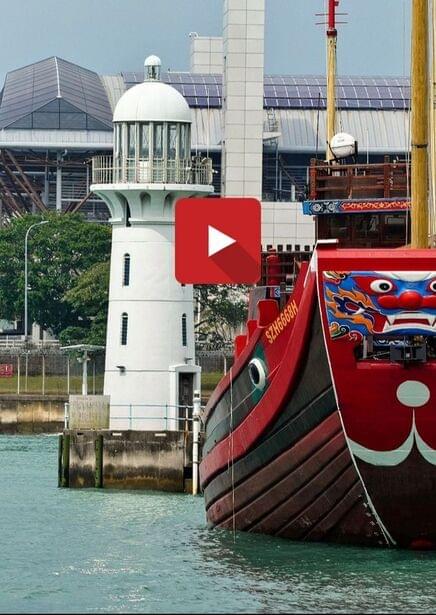
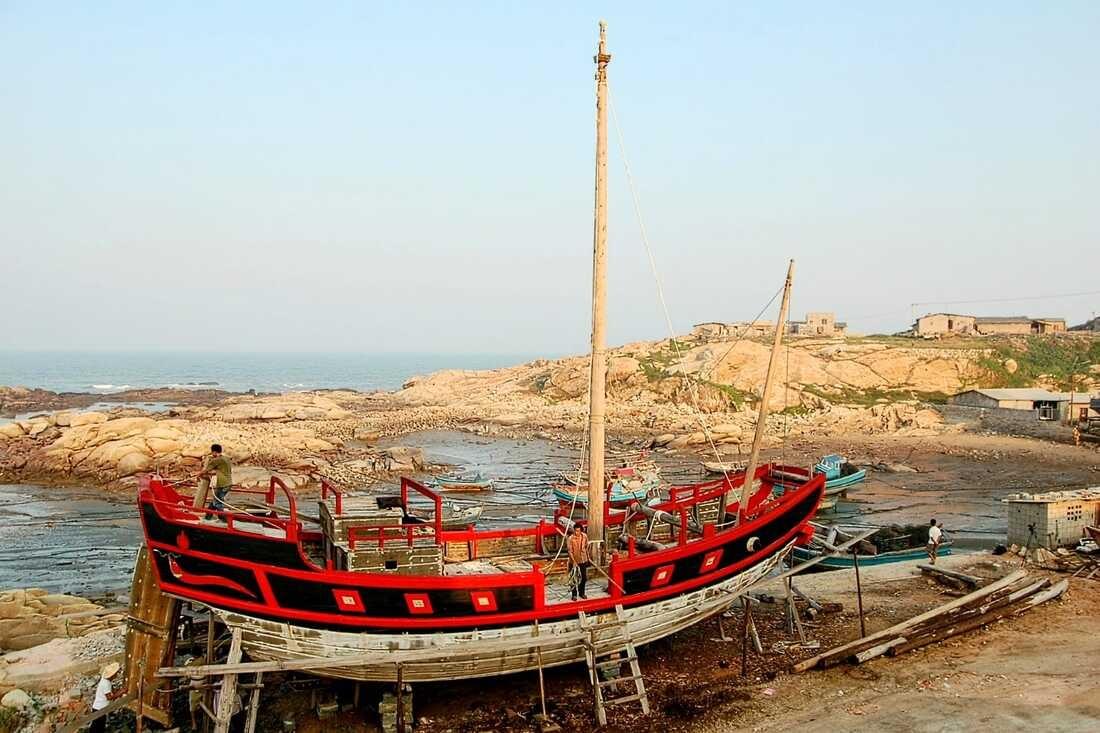
Visiting the UNESCO Intangible Cultural Heritage Junk"(?), Fu Ning 福宁号
The Fu Ning, a traditional Fujian junk, a majestic testament to China's rich maritime heritage, was born from a deep-seated desire to preserve and revitalize a vanishing art form. Recognizing the dwindling number of skilled craftsmen and the fading knowledge of traditional shipbuilding techniques, a group of visionaries embarked on this ambitious project. Driven by a passion for cultural heritage and a commitment to sustainable practices, they meticulously researched historical shipbuilding methods, consulted with master craftsmen, and painstakingly recreated the Fu Ning using time-honored techniques and locally sourced materials.
According to the owner’s representative, Fu Ning’s unique watertight-bulkhead technology, used in its construction, has been recognized by UNESCO as an Intangible Cultural Heritage, highlighting its exceptional value and the importance of preserving these ancient maritime skills for future generations.
The construction of the Fu Ning not only serves as a magnificent feat of engineering but also as a living museum, showcasing the ingenuity and artistry of traditional Chinese shipbuilding. This remarkable vessel embodies the spirit of innovation and cultural preservation, reminding us of the enduring legacy of China's maritime past.
Furthermore, the advanced shipbuilding techniques exemplified by the Fu Ning may hold intriguing connections to Singapore's own maritime history. Given Singapore's strategic location at the crossroads of major maritime routes, it's plausible to speculate that vessels utilizing similar advanced shipbuilding technologies, perhaps inspired by the Fu Ning's innovations, traversed these waters centuries ago. These vessels may have played a significant role in the trade that fueled Singapore's early growth.
This year SG60 celebrations offer a unique opportunity to delve into this intriguing possibility. By conducting thorough historical research, interviewing maritime historians and local communities, and perhaps even unearthing archaeological evidence, we may uncover fascinating insights into the role of such advanced shipbuilding in Singapore's past.
To further encourage public engagement and understanding of this rich maritime heritage, it would be invaluable for the Fu Ning to open its doors to the public, allowing visitors to experience firsthand the ingenuity and craftsmanship behind this remarkable vessel.
This exploration could not only enrich our understanding of Singapore's maritime heritage but also foster a deeper appreciation for the ingenuity and cultural exchange that have shaped our nation.
"Fu Ning" Visiting Program
Date: Saturday, 15th February 2025
Time: 5:30 PM - 9:00 PM
Venue: Raffles Marina (Next to Raffles Marina Lighthouse), 10 Tuas West Dr, Singapore 638404
Program:5:30 PM - 6:00 PM
- Guest Arrival & Registration
6:00 PM - 7:00 PM
Safety Brief
- Welcome Address by SMHIG rep
- Brief Introduction by Fu Ning rep
- Remarks by Asian Maritime Civilization Advocate
- Guest Introductions
- Presentation by Dr. Tai Yew Seng 戴柔星 - "What's So Special About This Traditional Fujian Junk?"
7:00 PM - 9:00 PM
- Group Photo Taking
- Guided visit to the watertight bulkhead compartment
- Guided tour of upper deck, wheelhouse, quarterdeck, etc.
- Light refreshments served
- Networking session with views of the West Johor Straits
9:01 PM
- Free Gangway
SMHIG Co‑founder’s Note (6 March 2026)
Following further research and technical observation of the Fu Ning, we have updated our records regarding the vessel’s structural classification.
While she is often associated with the Watertight-bulkhead technology of Chinese junks, we have noted that her internal configuration differs from the specific criteria outlined by UNESCO. The UNESCO heritage designation describes a specific multi-compartment system designed so that "if one or two cabins are accidentally damaged... seawater will not flood the other cabins and the vessel will remain afloat." Our observations suggest that Fu Ning follows a different traditional construction lineage, featuring fewer, larger compartments than the specific "watertight-bulkhead" model described by UNESCO. Regardless of this technical distinction, she remains a highly significant example of maritime craftsmanship. SMHIG provides this update to ensure the highest standards of technical and historical accuracy for our community.In our ongoing efforts to preserve and showcase Singapore's maritime legacy, we continue to study such vessels meticulously, recognizing that each contributes uniquely to our understanding of traditional shipbuilding techniques and cultural heritage.
The Princess Taiping 太平公主 (2005-2009)
A fully functional replica of a Fu Chuan 福船, regrettably sank in 2009
"Princess Taiping"
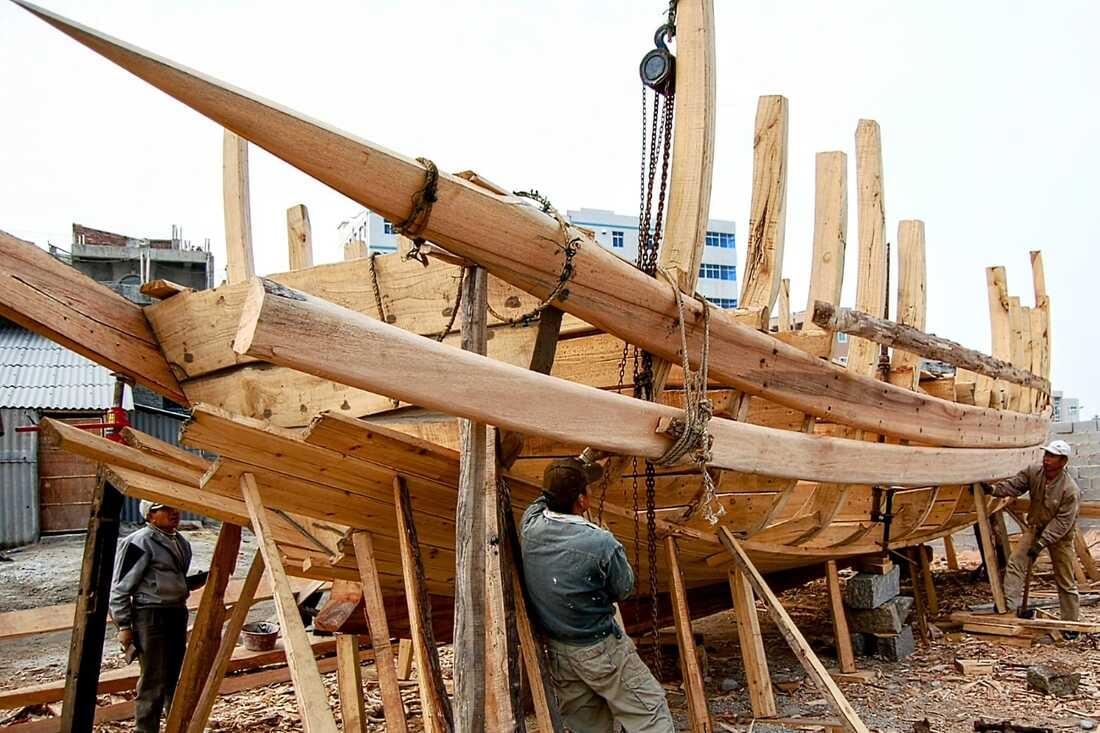
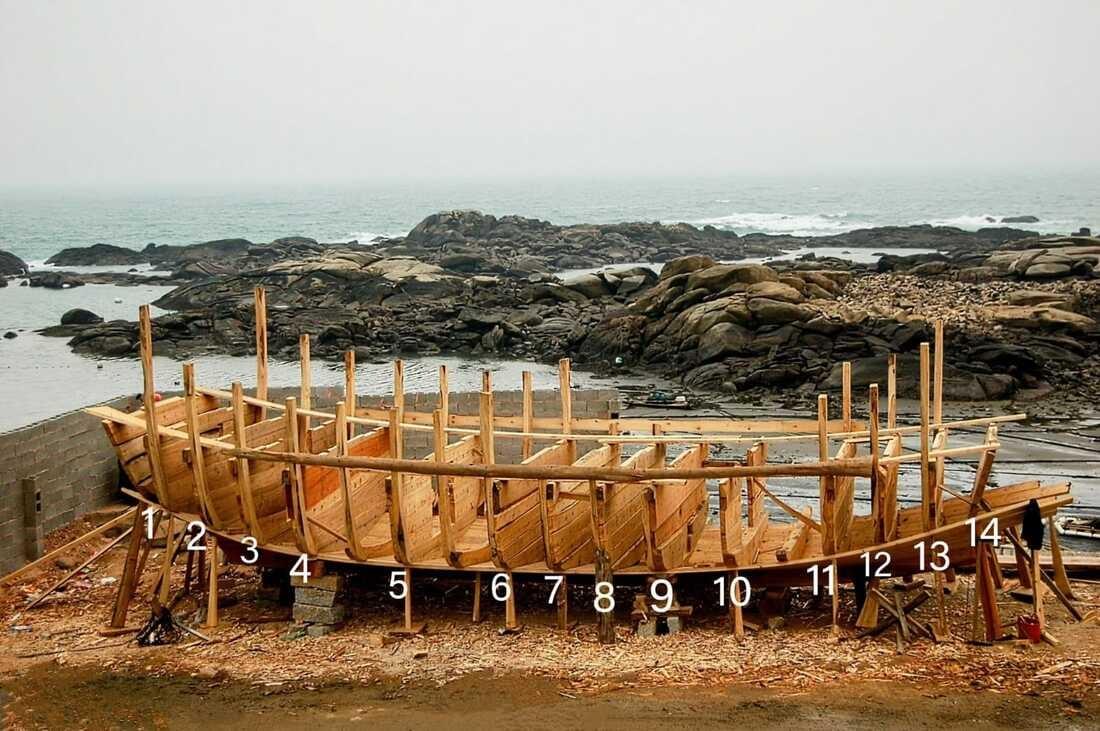
Witnessing History: The "Princess Taiping"'s Construction Pictures
⚓ 见证历史:图说“太平公主”号的建造
The 'Princess Taiping,' a full-scale replica of the Fu Chuan, was built in 2005 and successfully sailed to San Francisco, USA, using traditional Chinese sails. Sadly, she collided with a merchant ship during her return voyage to China and sank less than 100 nautical miles from the coast. Here is a short footage from a UNESCO video
China to US (Short & Sweet). Hear a few highlights from the voyage in just a few minutes.
--------------------------------
Information on Chinese junks... including the Fu Chuan (福船)
Singapore Maritime Heritage Interest Group (SMHIG)